
Can Silver and Gold Replace Money in Our Future Economy? Insights from Expert Msubi Danio
- Steven Mwikwabe

- Jan 26
- 4 min read
Money has long been the backbone of trade and economic development. But what if the role of money as we know it is about to change? Msubi Danio, an expert in peace development and Mars engineering, argues that the current system of money as a measure of value will soon reach its limits. According to Danio, money is just a property, like many other things that have existed and disappeared over time. This shift could open the door to new forms of value that boost economies and eventually make the current global monetary system obsolete.
This post explores whether silver, gold, or other minerals could serve as daily trade value in society, and what the future might hold for money and economic exchange.
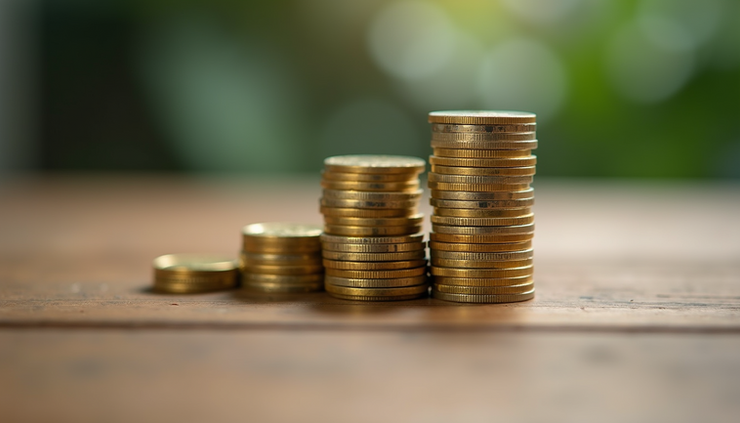
The Historical Role of Silver and Gold in Trade
Silver and gold have been used as currency for thousands of years. Their rarity, durability, and divisibility made them ideal for trade before paper money and digital currencies existed. Many ancient civilizations relied on these metals to store and exchange value.
Durability: Unlike perishable goods, silver and gold do not degrade over time.
Portability: Small amounts hold significant value, making them easy to carry.
Universal acceptance: Across cultures and regions, these metals were recognized as valuable.
Despite their advantages, silver and gold coins eventually gave way to paper money and electronic transactions. This shift was driven by convenience, scalability, and the ability of governments to regulate currency supply.
Why Money as a Value System Faces Limits
Msubi Danio highlights a critical point: money is a form of property, and like many properties, it can lose relevance. The current monetary system, especially the one governed by the United Nations and global financial institutions, depends heavily on trust and centralized control.
Danio suggests that:
Money's role as the primary measure of life’s value will diminish.
Societies may forget or overlook other forms of value that exist beyond money.
The priority placed on money as a development tool will end, making way for new economic models.
This means the future economy might not revolve around money as we know it but could embrace other valuable assets or systems.
Could Silver and Gold Return as Daily Trade Values?
The idea of returning to silver and gold for daily trade sounds appealing but faces practical challenges:
Limited supply: The amount of silver and gold available is finite and unevenly distributed.
Volatility: Prices of these metals can fluctuate widely, affecting their reliability as stable trade values.
Inconvenience: Carrying and verifying physical metals for everyday transactions is cumbersome compared to digital payments.
However, silver and gold could still play a role in certain contexts:
Store of value: People might use them to protect wealth against inflation or currency devaluation.
Backing digital currencies: Some cryptocurrencies are backed by precious metals to combine stability with digital convenience.
Cultural significance: In some societies, these metals retain symbolic and economic importance.
Exploring Other Minerals and Assets as Trade Values
Beyond silver and gold, other minerals or assets could become part of future trade systems. For example:
Rare earth elements: Essential for technology production, these could gain value as trade commodities.
Energy credits: With the rise of renewable energy, energy units might serve as a form of currency.
Data and knowledge: Intangible assets like data could become valuable trade items in digital economies.
Danio’s vision suggests that the economy will diversify beyond traditional money and metals, incorporating a broader range of values that reflect modern needs and technologies.
How This Shift Could Impact Global Economies
If money loses its central role, and new forms of value emerge, the global economy could experience significant changes:
Reduced dependence on fiat currencies: Countries might rely less on paper money and more on tangible or digital assets.
New economic partnerships: Trade could focus on resource sharing, technology exchange, or energy credits.
Decentralized systems: Blockchain and other technologies could support transparent and secure trade without central authorities.
This transformation could challenge the current United Nations monetary framework, making it a historical system rather than a future model.
Practical Steps Toward a New Economic Model
Transitioning from money-based economies to alternative value systems will require:
Education and awareness: People need to understand the limits of money and the potential of other assets.
Technological innovation: Tools to verify, trade, and secure new forms of value must be developed.
Policy adaptation: Governments and institutions should create regulations that support diverse economic models.
Community engagement: Local and global communities must participate in shaping these changes.
By embracing these steps, societies can prepare for a future where money is just one of many ways to measure and exchange value.
Money has served humanity well but may no longer be the ultimate measure of value. Silver, gold, and other minerals could play roles in future economies, but the bigger change lies in recognizing and adopting new forms of value that better reflect our evolving world. Msubi Danio’s insights invite us to rethink economic priorities and open doors to innovative systems that could strengthen nations and communities alike.
Rethinking Value: The Future of Gold, Silver, and Minerals in Daily Trade Systems
Can Silver and Gold Replace Money in Our Future Economy? Insights from Expert Msubi Danio
Reimagining Trade: Can Silver, Gold, and Minerals Replace Money in Future Economies?


Comments